Nutrition for a Vibrant Life
Welcome to the nutrition section of Vitality Hub! Here, we believe that food is more than just fuel – it's the foundation of a healthy, energetic, and fulfilling life. We're based in vibrant Miami, Florida, where fresh, diverse ingredients are readily available, inspiring us to create and share nutritional guidance that is both practical and delicious.
Understanding Macronutrients
Macronutrients are the building blocks of our diet. They provide the energy our bodies need to function and are essential for growth, repair, and overall well-being. The three main macronutrients are:
- Carbohydrates: Our primary source of energy. Choose complex carbohydrates like whole grains, fruits, and vegetables over simple sugars for sustained energy levels.
- Proteins: Essential for building and repairing tissues. Good sources include lean meats, poultry, fish, beans, lentils, and tofu.
- Fats: Important for hormone production, cell function, and absorption of fat-soluble vitamins. Opt for healthy fats like avocados, nuts, seeds, and olive oil.
Dietary Guidelines for Optimal Health
Following balanced dietary guidelines is crucial for preventing chronic diseases and maintaining optimal health. Here are some key recommendations:
- Eat a Variety of Foods: Include a wide range of fruits, vegetables, whole grains, and lean protein sources in your diet to ensure you're getting all the necessary vitamins and minerals.
- Limit Processed Foods, Sugary Drinks and Saturated Fats: These can contribute to weight gain, inflammation, and increased risk of chronic diseases.
- Stay Hydrated: Drink plenty of water throughout the day. Aim for at least 8 glasses of water daily.
- Control Portion Sizes: Be mindful of how much you're eating. Use smaller plates and bowls to help manage portion sizes.
- Read Food Labels Carefully: Pay attention to serving sizes, calories, and nutrient content.
Meal Planning Tips for Success
Planning your meals ahead of time can make healthy eating much easier. Here are some tips to get started:
- Set Realistic Goals: Start small by planning just a few meals each week.
- Create a Shopping List: Stick to your list when you go to the grocery store to avoid impulse purchases of unhealthy items.
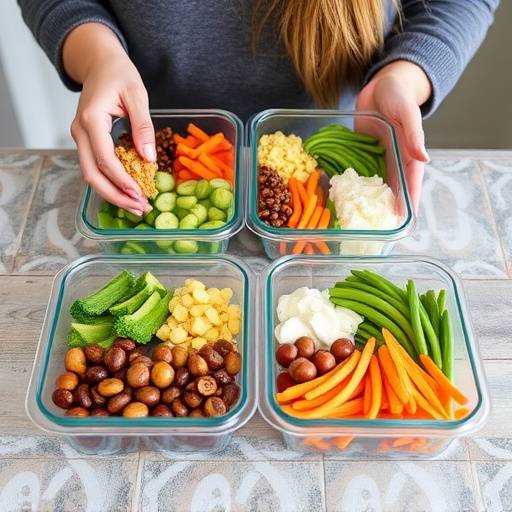
- Prepare Ingredients in Advance: Chop vegetables, cook grains, and portion out snacks ahead of time to save time during the week.
- Use Leftovers: Plan to use leftovers in creative ways to avoid food waste and save time.
- Batch Cooking: Prepare large quantities of healthy meals on the weekend and store them in the freezer for easy weeknight dinners.
Healthy Recipes to Inspire You
Here are a few delicious and nutritious recipes to get you started on your healthy eating journey, inspired by the fresh flavors of Miami:
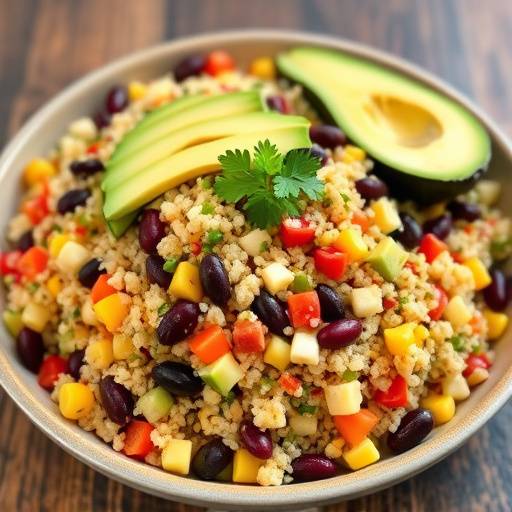
Quinoa Salad with Black Beans, Corn, and Avocado
A vibrant and protein-packed salad perfect for lunch or dinner.
- Ingredients: Cooked quinoa, black beans, corn, diced avocado, red onion, cilantro, lime juice, olive oil, salt, and pepper.
- Instructions: Combine all ingredients in a bowl and toss gently. Serve chilled.
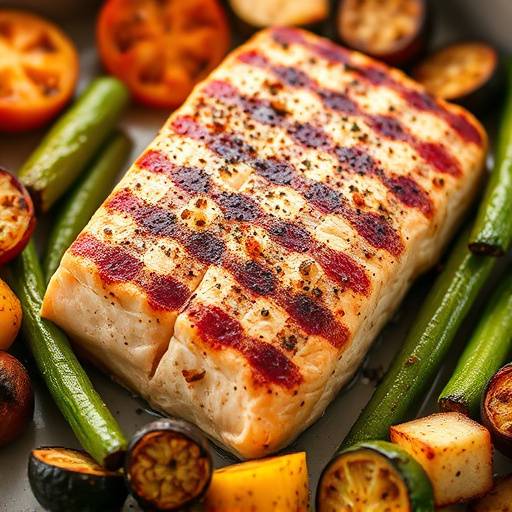
Grilled Salmon with Roasted Vegetables
A simple and healthy meal rich in omega-3 fatty acids and vitamins.
- Ingredients: Salmon fillets, broccoli florets, bell peppers, zucchini, olive oil, lemon juice, garlic powder, salt, and pepper.
- Instructions: Toss vegetables with olive oil, lemon juice, garlic powder, salt, and pepper. Roast in the oven at 400°F (200°C) for 20 minutes. Grill salmon fillets until cooked through. Serve salmon with roasted vegetables.
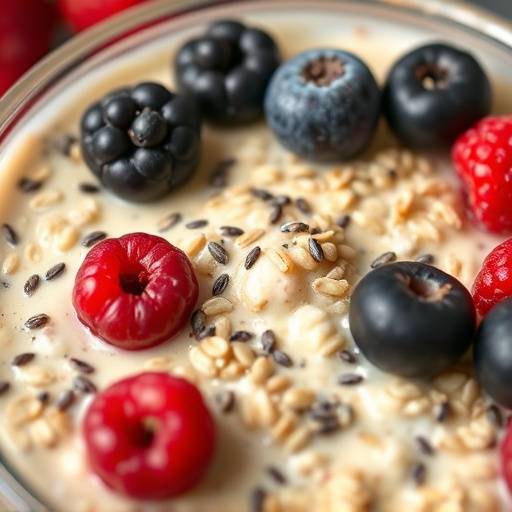
Overnight Oats with Berries and Chia Seeds
A quick and easy breakfast that's packed with fiber and antioxidants.
- Ingredients: Rolled oats, milk (dairy or non-dairy), chia seeds, berries (strawberries, blueberries, raspberries), honey or maple syrup (optional).
- Instructions: Combine all ingredients in a jar or container. Stir well and refrigerate overnight. Enjoy cold in the morning.
Understanding Food Labels
Learning to read food labels is an essential skill for making informed choices about the foods you eat. Here are some key things to look for:
- Serving Size: Pay attention to the serving size listed on the label, as all the nutrient information is based on that serving size.
- Calories: Be mindful of the number of calories per serving, especially if you're trying to lose or maintain weight.
- Total Fat: Limit your intake of saturated and trans fats.
- Cholesterol: Keep your cholesterol intake as low as possible.
- Sodium: Reduce your sodium intake to help lower your blood pressure.
- Total Carbohydrates: Choose complex carbohydrates over simple sugars.
- Protein: Aim for protein-rich foods to help you feel full and satisfied.
- Vitamins and Minerals: Look for foods that are rich in essential vitamins and minerals.

Essential Vitamins and Minerals
Vitamins and minerals are essential micronutrients that play a crucial role in many bodily functions. Here are some of the most important ones:
- Vitamin A: Important for vision, immune function, and cell growth.
- Vitamin C: An antioxidant that supports immune function and collagen production.
- Vitamin D: Essential for calcium absorption and bone health.
- Vitamin E: An antioxidant that protects cells from damage.
- B Vitamins: Important for energy production and nerve function.
- Calcium: Essential for strong bones and teeth.
- Iron: Necessary for carrying oxygen in the blood.
- Potassium: Important for maintaining healthy blood pressure.
- Magnesium: Involved in hundreds of biochemical reactions in the body.
- Zinc: Supports immune function and wound healing.
| Nutrient | Recommended Daily Intake (Adults) | Food Sources |
|---|---|---|
| Vitamin A | 700-900 mcg | Sweet potatoes, carrots, spinach |
| Vitamin C | 75-90 mg | Citrus fruits, strawberries, bell peppers |
| Vitamin D | 15 mcg (600 IU) | Fatty fish, fortified milk, sunlight |
| Calcium | 1000-1200 mg | Dairy products, leafy greens, fortified foods |
| Iron | 8-18 mg | Red meat, beans, spinach |
Hydration: The Key to Well-being
Water is essential for virtually every bodily function, from regulating body temperature to transporting nutrients. Aim to drink at least 8 glasses of water per day, and more if you're active or live in a hot climate like Miami. You can also get fluids from other sources, such as fruits, vegetables, and soups.

Seeking Personalized Nutrition Advice
If you have specific dietary needs or health concerns, it's always best to consult with a registered dietitian or nutritionist. A qualified professional can provide personalized advice and help you develop a meal plan that's tailored to your individual needs.
At Vitality Hub, our team of expert nutritionists, including Isabella Rodriguez, RD, LDN, and Dr. Carlos Alvarez, PhD in Nutritional Science, are dedicated to providing evidence-based information and support to help you achieve your health goals. Contact us at [email protected] or call us at (305) 555-WELL (9355) for a consultation. Our office is located at 123 Ocean Drive, Suite 456, Miami Beach, FL 33139.
Remember, healthy eating is a journey, not a destination. Start small, make gradual changes, and be patient with yourself. With the right knowledge and support, you can nourish your body and achieve optimal well-being. Stay tuned for more delicious recipes and expert nutrition advice from Vitality Hub!